Feeling salty? If you’re planning a saltwater trip this year, consider Telluride Angler’s fly rod and reel recommendations to make sure you have the gear you need while packing efficiently and respecting the family budget. Whether this is your first saltwater outfit or an exciting new niche rod, we’ll help you choose the right gear for the right fish.
In this article, we summarize the features and benefits of our most recommended saltwater fly rods and the 2025 saltwater fly reel lineup.
Before offering our suggestions, we’ll make some observations about saltwater fishing conditions.
Choose your saltwater line weight
Most popular line weights for specific species:
 Bonefish: 8-wt
- Redfish: 7-wt or 8-wt
- Permit: 9-wt or 10-wt
- Roosterfish: 10-wt
- Striped Bass: 9-wt or 10-wt
- False Albacore: 10-wt
- Tarpon: 11-wt
- Giant Trevally: 12-wt
- Sailfish: 14-wt
- One rod for both bonefish and permit: 9
- Most versatile “light” saltwater rod: 9-wt
- Most versatile “heavy” saltwater rod: 11-wt
Must-have rods for popular
destinations:
NOTE: Click to read our destination-specific “Gear Up” articles for the BAHAMAS, YUCATAN and CHRISTMAS ISLAND!
- Bahamas: 8-wt
- Belize: 7 or 8-wt + 9 or 10-wt
- Christmas Island: 8-wt + 11-wt
- Florida Keys: 9-wt + 11-wt (unless specifically targeting permit, in which case you’ll need a 10-wt)
- Florida, East Coast inshore fisheries: 8-wt
- Florida, West Coast: 9-wt
- Florida, West Coast tarpon fishing: 12-wt
- Honduras: 8-wt + 10-wt
- Mexico (Caribbean): 7 or 8-wt + 9 or 10-wt
- Mexico (Baja): 10 + 12-wt
- North Carolina-South Carolina inshore fisheries: 8-wt
- Seychelles: 8-wt + 10-wt + 12-wt
- Texas-Florida Gulf Coast: 8-wt
How many rods should I bring?
Some fishing destinations, like the Bahamas, have one predominant species that allows for easy packing. In most destinations, however, you’ll have primary and secondary species that provide compelling variety but also require more fly rods. If you will be distinctly fishing for different species, take a rod for each species class (example: an 8-weight for bonefish, a 10-weight for permit and a 12-weight for tarpon). If you will primarily fish for one species (let’s say bonefish), but might see others (for example permit, baby tarpon or barracuda), then try to cover the range with a second rod that could also serve as a backup for your primary species. In this example, we would recommend taking an 8-weight and a 9-weight. The 9-weight gives you upward capability for permit and small tarpon, but is still in the bonefish range. You might throw your 9-weight on windy days for bonefish, or use it if something grim happens to your 8-weight.
Do I need a backup rod and reel?
Yes. Rods and reels break regularly on saltwater fishing trips. Outfitters that claim to have gear at their lodge often don’t (or, they have gear that someone left with them twenty years ago). If you are fishing with a group of friends, you can generally get by with one backup rod for every two anglers, but we honestly recommend that every angler bring a second outfit, just in case. Every one of these trips is “the trip of a lifetime” for mortal trout anglers. Take an insurance policy.
Action and line weight considerations:
In choosing your rods, remember that wind is your number one enemy. Heavy wind, extremely common in virtually all saltwater destinations, will end your fishing if your rods are too light. That is why we recommend 8-weights rather than 7-weights for places like Christmas Island and Belize. Most bonefish in those destinations are “7-weight fish,” but the wind can shut you down just as surely as in the Keys or Bahamas. It is generally ok if your fly rod is a little too powerful. Fishing 6 or 7-weight rods is a luxury. We love them, but would never go on a saltwater trip of any kind without 8 and 9-weights onboard.
2025 Most Recommended Saltwater Fly Rods
Scott Sector Series (line weights 6-15):
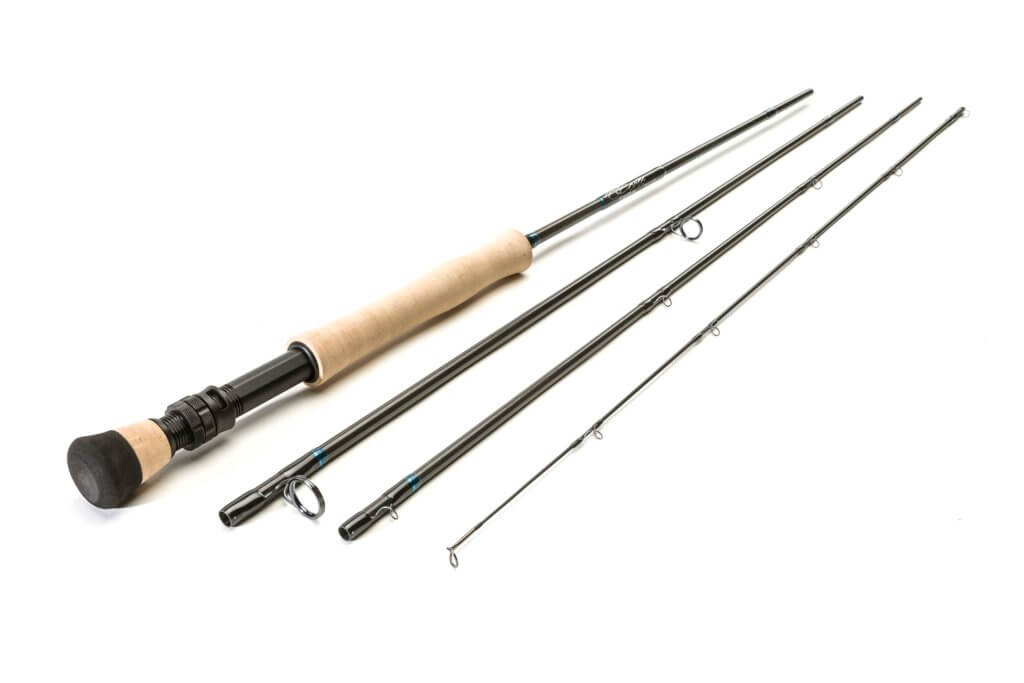
The Sector series empowers the angler with more line speed, range, lifting power, accuracy and touch at almost any casting distance. The Sector is a marvel in fly rod engineering, showcasing Scott’s ability to improve fly rods that are already considered best-in-industry. The Sector is adaptable to almost fly line and saltwater fishing scenario, and to the casting stroke of almost any angler. Each model is purposeful and there are several unique configurations in the series, including the lightweight and accurate 8’4″ rods. These are simply amazing fly rods. Have fun out there! Stiffness (scale of 1:10): 8.5
Choose a Scott Sector if:
 1) You seek the highest quality saltwater fly rod
2) You love the Meridian, but need more line lifting power for 2nd and 3rd shots
3) Your saltwater fishing presents a wide range of casting scenarios
4) You are entering unfamiliar territory and want to eliminate the fly rod variable
[Model-by-Model Reviews for Scott Sector]
Sage SALT R8 Series (line weights 6-15):
The Sage Salt R8 is a fast action rod in the classic Sage mold: light, tippy and designed for maximum line speed. Unlike some of its predecessors, these rods are fundamentally easy to cast, however. The sweet spot is located high on the rod blank, but large enough for any caster to find and feel with ease. They cast intuitively with major power, but offer better loop control and superior overall presentation than most other rods with these design characteristics. This is a great rod for anyone who wants to err on the side of power. Stiffness (scale of 1:10): 8.5
Choose a Sage Salt R8 rod:
 1) You prefer a rod that casts “off the tip.”
2) You naturally cast with a quick cadence.
3) You fish in a windy flats environment.
4) You ever loved a Sage saltwater fly rod.
[Model-by-Model Reviews for Sage Salt R8]
Sage Igniter Series Saltwater:
The Igniter is a purpose-driven fly rod for the experienced caster. Stiff enough to hammer into the wind, it delivers the most raw power of any modern saltwater fly rod in the hands of a powerful caster with a disciplined stroke. The Igniter 9′ 7-weight is the only model in this series that we would recommend to just about any angler: a 7-weight that fishes like an 8-weight. The heavier saltwater models should be fished only by strong casters who can access their power on every cast. Most anglers fish these rods with aggressive line tapers, such as the SA Grand Slam and Rio Flats Pro, which help load the stiff blanks and deliver flies on target. Stiffness (scale of 1-10): 10
Choose a Sage Igniter if:
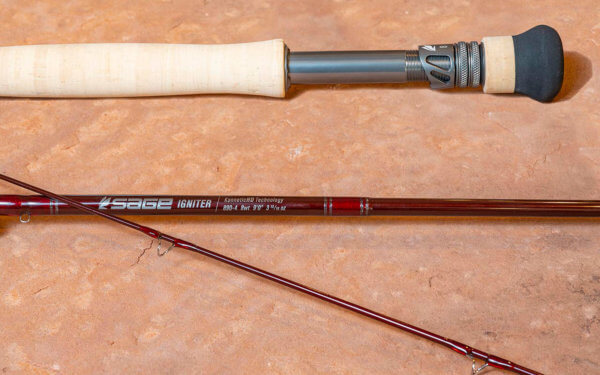 1) You fish a Sage Method or other ultra-fast fly rod for trout.
2) Your casting stroke would be characterized as “powerful”.
3) You are an experienced caster who can make a stiff rod work to beat the wind.
4) You want a rod that fishes high in its line class.
[Model-by-Model Reviews for Sage Igniter]
G.Loomis Asquith:
The only conceivable drawback of Loomis Asquith saltwater rods is their price. The really good stuff in life is sometimes expensive. Asquith rods are simply the best Loomis saltwater rods ever designed, and that’s saying something. All Asquith models are exquisitely light in the hand with very little swing weight. They are as fast or faster in action than the NRX, but noticeably lighter and easier to cast. You’ll cast spectacular loops on your first cast with an Asquith. Their combination of power, accuracy, lightness and ease of casting is just plain rare. Stiffness (scale of 1:10): 8.5
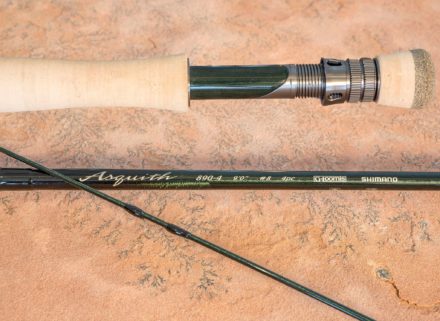
Choose a Loomis Asquith if:
1) You would enjoy using the lightest saltwater fly rod.
2) You like very fast action saltwater fly rods, but sometimes find them hard to cast.
3) You want greater accuracy from your saltwater fly rod.
4) You like your NRX+ and are attracted by a new Loomis rod that is lighter, more powerful, more accurate and, somehow, easier to cast.
[Model-by-Model Reviews for G.Loomis Asquith]
G.Loomis NRX+ Saltwater:
The NRX+ is a classic, extra-fast action saltwater rod that responds to power and throws darts in challenging conditions. Stiffness (scale of 1:10): 9.0
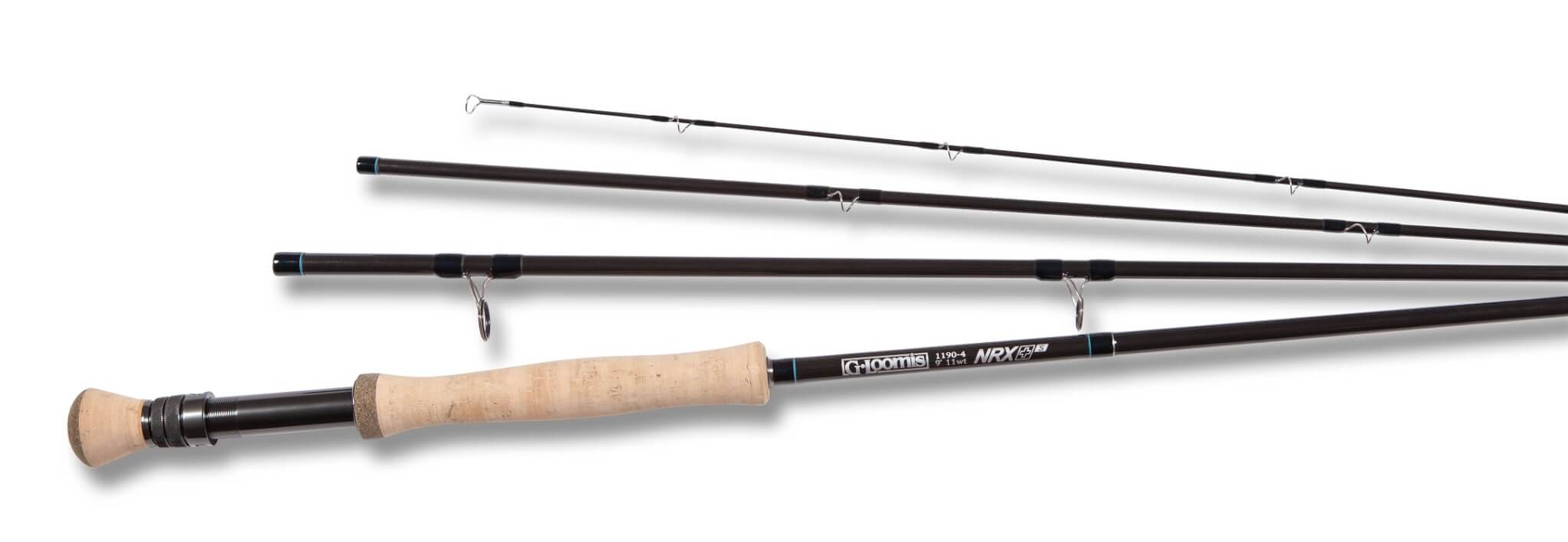
Choose a G.Loomis NRX+ if:
1) You own other Loomis rods and love them.
2) You need a powerful saltwater rod that won’t back down in the wind.
3) You are an experienced caster looking for a finely tuned, high performance saltwater fly rod.
4) You want a fly rod that responds to a strong double haul.
Winston Air 2 Max:
Powerful and commanding fly rods are not new to the saltwater market, but they are new for Winston. Like all Winston fly rods, Air 2 Max offer precise casting and a wonderful feel of connectedness to the fly line. They are much, much stronger than their predecessors, however. We unconditionally recommend these rods in every saltwater environment. Make sure to consider the 8’6″ rods in this series: lighter, better casting in the wind and with greater fish fighting/lifting ability thanks to the shorter lever. Stiffness (scale of 1:10): 8.5
Choose a Winston Air 2 Max if:
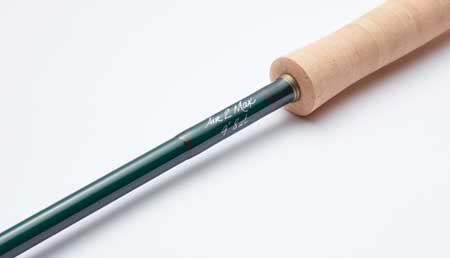 1) You want a rod that “fishes up” in line class.
2) You want an easy caster that lacks nothing in butt section power.
3) You find repeated casting with heavy rods to be tiring.
4) Winston has never made a powerful enough rod for you.
Budget Saltwater Fly Rod
Sage Maverick
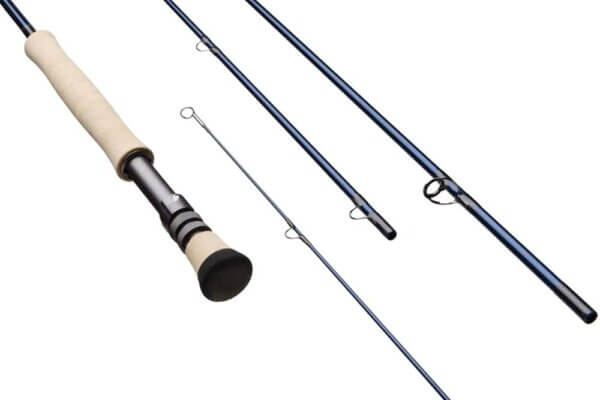 The Sage Maverick Series are serious saltwater fly rods that leave room in the budget for a high quality reel and line. Trust these rods in the salt. If you own a top quality saltwater rod, consider a Maverick as a backup stick on your next trip.
Scott Wave
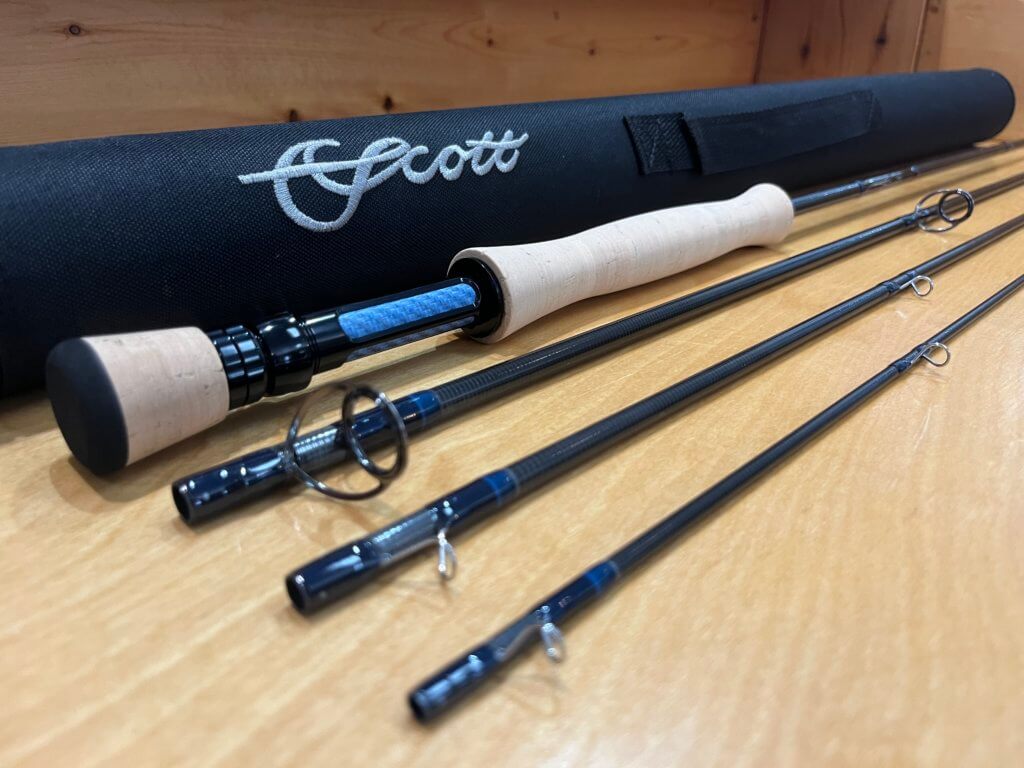 Introduced in September, 2022, the Scott Wave Series offers a compelling alternative to the Maverick for anglers seeking a trusted saltwater fly rod for less than $1,000. Offered in line weights 6-12, the Wave are ripping casters with plenty of muscle for the end game. [Scott Wave reviews]
Scott Wave V. Sage Maverick: read our model-by-model comparison of these outstanding fly rods and choose the mid-priced saltwater rod best suited to your fishing and casting style. [Wave v. Maverick]
G.Loomis IMX-Pro V2S
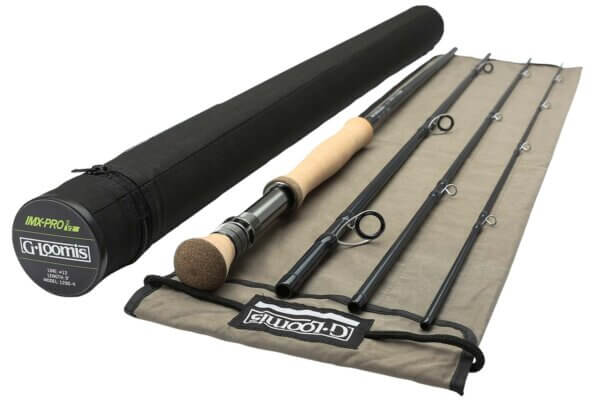 The only downside of these rods is that it’s hard to say the name. On the water, they are truly outstanding. Only slightly heavier than the NRX+ series, the IMX-Pro V2S cast with characteristic Loomis power and accuracy. They feel like high end fly rods and are built to last with quality components and craftsmanship details that will convince any saltwater angler. These are high end rods dressed down to make them affordable. [IMX-Pro reviews]
2025 Saltwater Fly Reel Lineup
Quite simply, saltwater fishing tests reels in ways that freshwater fishing does not. Any experienced saltwater angler will warn the newcomer that reel breakage is common and that the durability and performance of your reels is truly essential to the success of your trip. Our favorites are not necessarily the most expensive models, but saltwater reels generally cost more than trout reels. First, a few strategic observations:
1) Buy machined reels (not “machine-finished,” a complete hoax) that are anodized for saltwater protection.
2) Any reel that is not “large arbor” is at a significant disadvantage in saltwater fishing. These fish run exponentially farther than their freshwater cousins. Your ability to retrieve quickly will, beyond a doubt, result in more landed fish.
3) Extra spools are not nearly as useful in saltwater as freshwater. Generally, you want as many rods with reels rigged and ready as can be safely stored on your boat so you can take advantage of unexpected opportunities if they present themselves (if your guide swings the boat sharply and says “pick up the tarpon rod,” you should listen to him). Unlike in trout or steelhead fishing where it is common to fish the same water twice with floating and sinking lines, you will normally rig each saltwater rod with a preferred line and leave it for the whole week.
4) Any reel could break on a saltwater trip, so again, we highly recommend taking a backup.
5) For bonefish and redfish, a lightweight reel with a sealed drag system and large arbor spool is optimal, but you don’t really need the massive stopping power of a tarpon reel. Upper end drag tension is a bonus, but not a requirement for bones and reds. A smooth drag that functions consistently is critical. Bonefish are incredibly fast and make very long runs, but you don’t need to “stop” them like a tarpon or billfish.
Hatch Iconic ($703-$1,068):
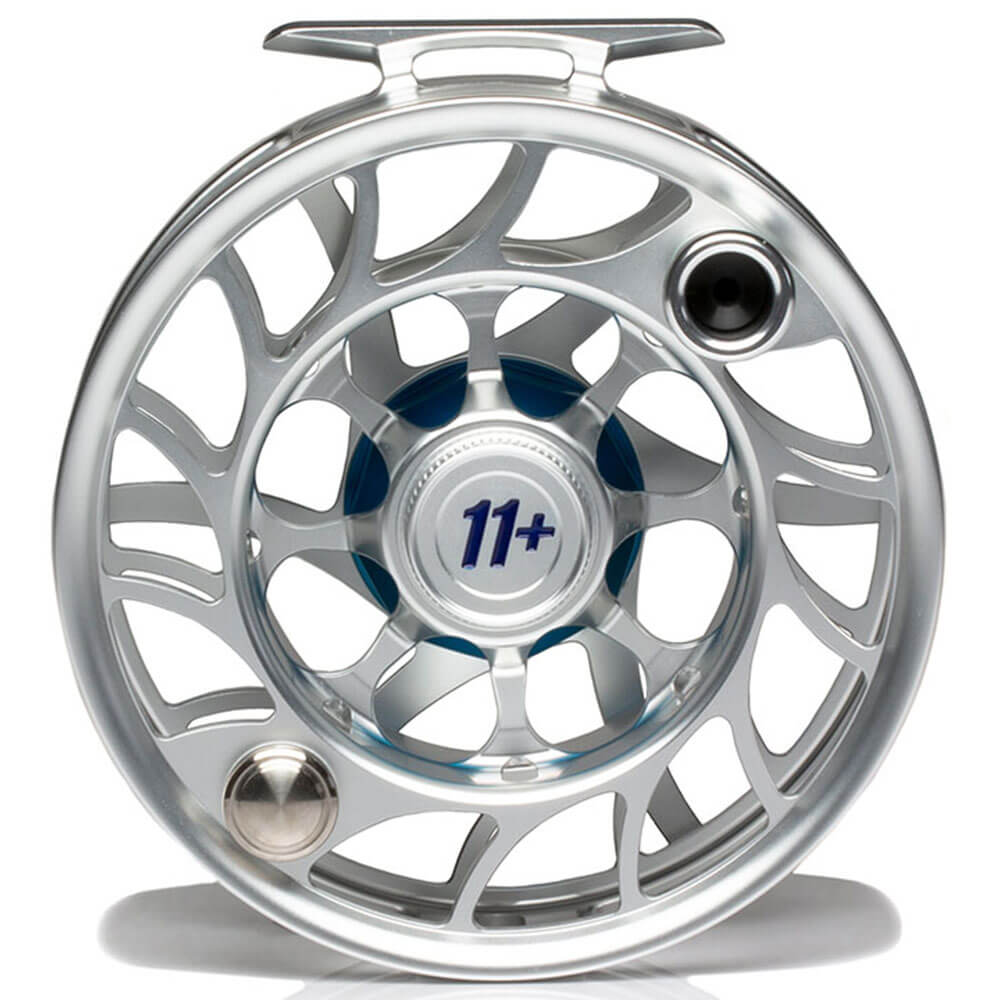 Lauded for its unassailable quality characteristics, the Hatch Iconic is even more durable than beautiful. That’s saying something. Offered in four colors to complement any saltwater fly rod, the Iconic comes with a choice of mid or large arbor in sizes 5+ through 11+ to optimize capacity and balance in any saltwater line weight. The confluence of design detail and a built-to-last philosophy produce a reel that may outlive its angler. The Iconic is a reel for the ages.
Nautilus CCF X2 Series ($545-$795):
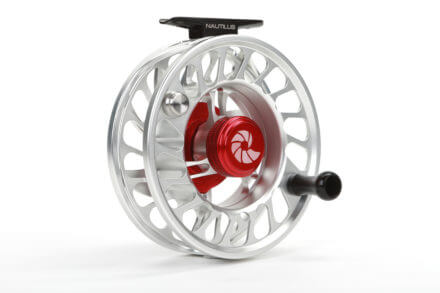 Introduced in 2014, the CCF X2 features a true large arbor, narrow spool and Nautilus’s sensational X2 drag system. We know of no other saltwater drag with greater range, sensitivity and consistency. Not surprisingly, the CCF X2 has proved wildly popular, but anglers should give careful consideration to reel size for fly rod pairing. Choose the 68 size for 9′ 8-weight fly rods. Choose the 810 for 9-weight rods and the 10-12 for higher line weights. (The 810 balances well on a 10′ 8-wt, but is too heavy on a 9′ 8-wt). The 1012 is recommended for the use of 30 lbs dacron with 10-weight lines and with all 11-weight lines. The largest CCF X2, called “Silver King,” is among the finest tarpon reels on the market and recommended for line weights 10-12. In fact, for both capacity and retrieval rate, we recommend the Silver King over the CCF X2 1012 for all 12-weight lines.
Nautilus GTS, GTR and GTX Series ($655-$1,300):
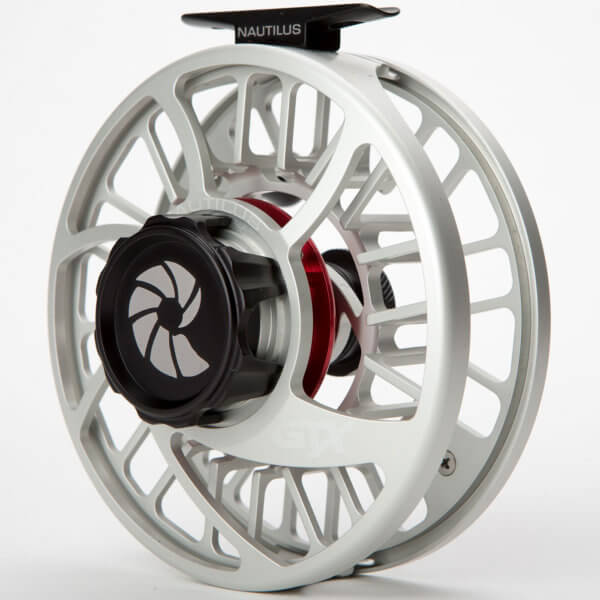 The original reel in this design group was the GTX, a tarpon reel without peer. Lighter, stronger and with the greatest stopping power of any big game reel, the GTX was a compelling model on which to build out the series with smaller reels for bonefish, permit, striped bass and all of our other favorite saltwater species. The GTS (7-9 weight) was introduced in fall 2024. It’s wonderful choice for bonefish, permit, snook and schoolie stripers. The GTR (9-10 weight, coming soon) is designed for permit, bull reds, adult stripers, roosterfish and juvenile tarpon.
Tibor Signature Series ($740-$905):
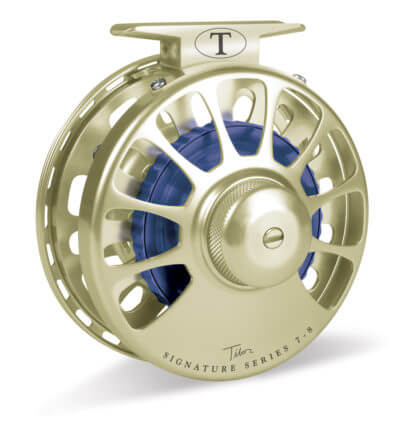
The chief advance in the Tibor Signature Series is that Signature reels have an enclosed drag system. This adds weight to the fact that Tibor reels have the lowest demonstrated failure rate of any saltwater fly reel in history. No brand has a more loyal following. Ted Juracsik himself testifies that these are the best saltwater reels he has ever designed.
Abel Sealed Drag Saltwater (SDS) $1,075-$2,495
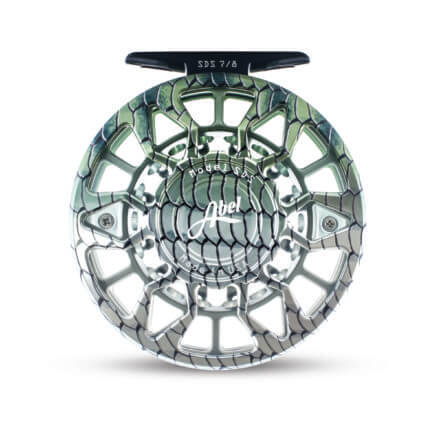
Winner of the 2016 ICAST “Best Saltwater Reel” award, the Abel SDS combines the classic elements of power, sensitivity and durability that make this brand the hallmark for quality in saltwater reels. SDS reels are light for their size, but machined with walls thick enough to take a beating in the boat day after day. Drag tensioning is intuitive and the large drag knob is easy to handle.
Sage Enforcer ($575)
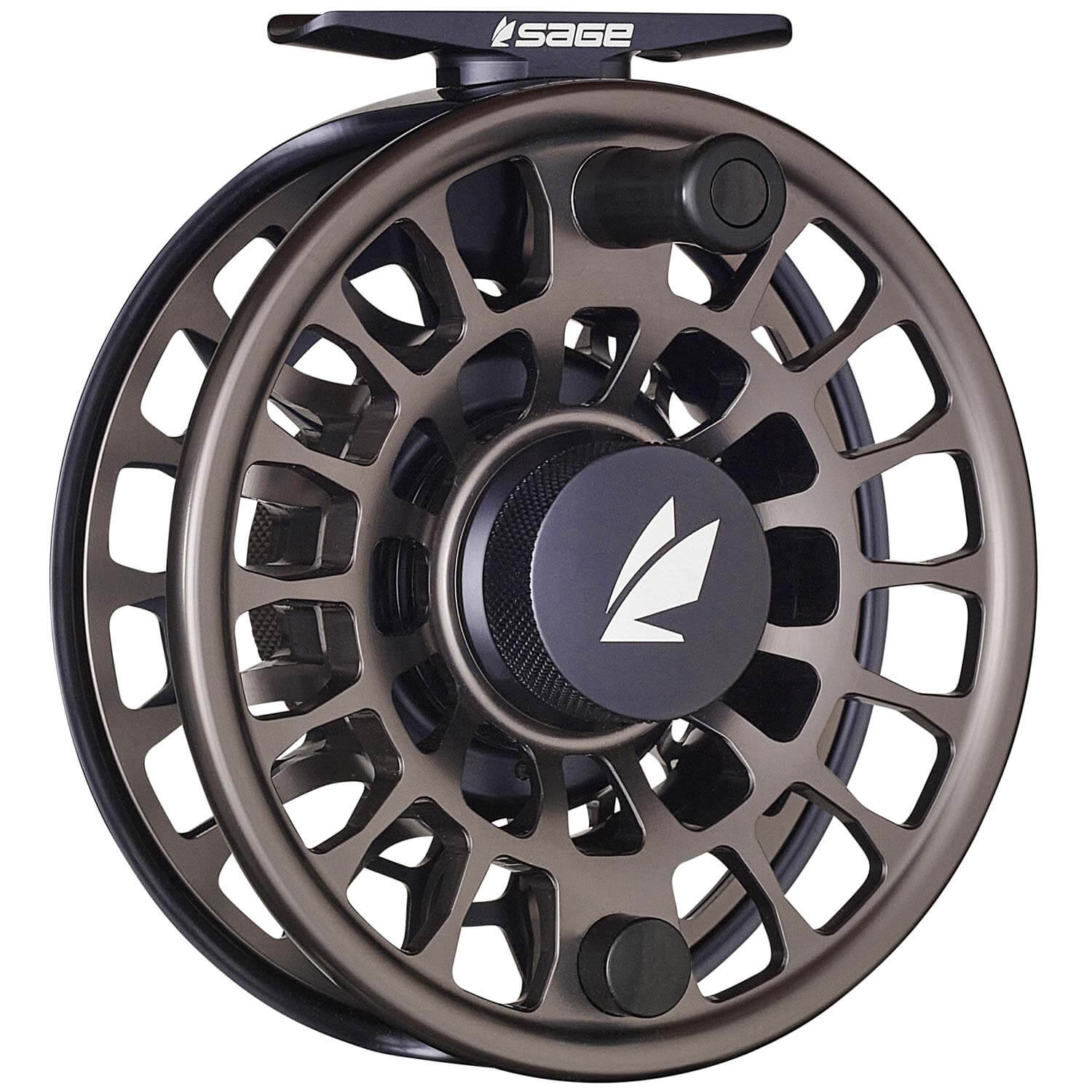
Offering 50% more drag tension than its predecessor, the Sage Enforcer plays in both the flats and bluewater environment. Ergonomic features and the proven SCS drag system combine with a heavy duty frame and large arbor spool for high performance and trustworthy stamina. This is a lot of reel for a fair price.
Ross Evolution R Salt ($695-$895):
 Built for power and speed, the R Salt has a massive arbor and industry leading drag power (16 stacked discs!). These reels are light enough to balance on any fly rod in their line class. Constructed with stainless steel internal parts and internal structural reinforcements, R Salt reels are designed for decades of use under compromising conditions.
Lamson Centerfire ($480-$580)
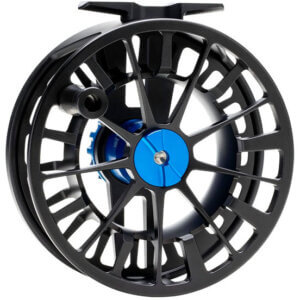 These no-nonsense reels have all the essentials for serious saltwater fishing. Fully machined frames and large arbor spools are paired with Lamson’s super tech Cobalt drag system for reels that fish with the very best on the market and will last for decades. This is a go-to reel for a reasonable price. Thank you, Lamson!
Galvan Torque ($475-$590):
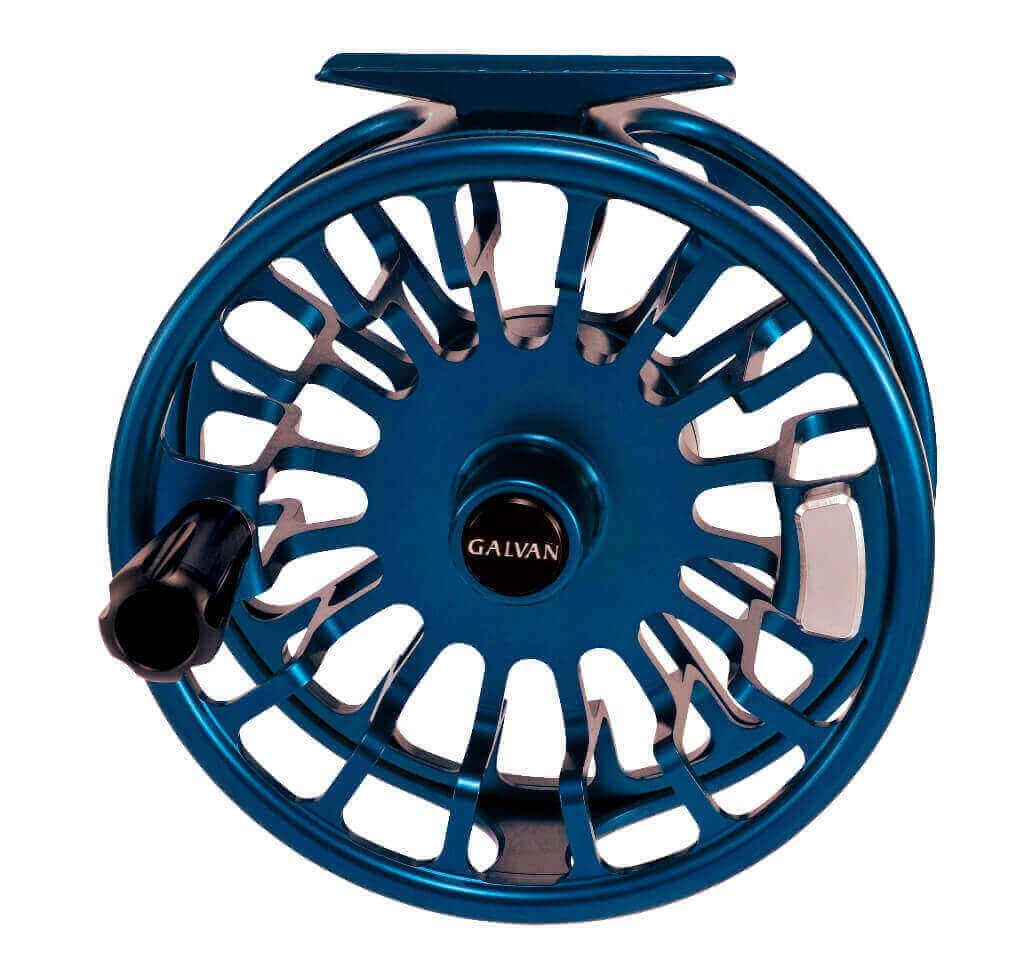 Representing one of the best values in saltwater, the Galvan Torque has all the traits of a dependable companion: strength, reliability, versatility and simple design. They are rugged enough to take a beating in the boat and have backing capacity to fish the flats or bluewater. A large drag surface provides a wide tension range and a hedge against long term deterioration between the disc surfaces. Saltwater sizes are T-7 through T-12.